
We're bridge loan specialists
We arrange fast bridge loans secured on real estate in Florida and Texas, that can be used for almost any real-estate investment purpose.
Bridge loan uses:
- Residential or commercial investment acquisition
- Refinancing an existing bridge loan
- Leveraging equity to invest in another property
- Improve subject property
- Invest in a business
- Value add project
We take a common sense approach to your requirements, dedicated to providing a quick response to time-sensitive loans unmatched by conventional lenders, and can close in as little as 3-28 business days. Every situation is different.
The quickest way to ascertain whether you’re eligible for a bridge loan is to speak with one of our professionals.
Our bridge loan service
- Market-leading property bridging loans from $50,000 to $50m
- Monthly interest rates from 7%
(Lower rates for $1m+ loans or less than 50% LTV) - LTVs up to 80% (up to 100% finance if additional collateral is available)
- 1st lien positions
- Terms of 12, 18 and 24 months (other terms available by exception)
We provide a fast reliable service to help you get the bridging finance you need at the best available rates.
We consider all types of credit history including non-status, bad or adverse and don't perform automated credit checks so there's no footprint from enquiring.
With incredible relationships with the USA's top lenders including specialist lenders, family offices and private investors, we can source the bridging loan you require:
up to $5m loans from 3 days
up to $50m in 28 days
Where your timeline is critical and short, we're confident we can get your bridge loan in place. Get your best no obligation quote today.
Bridge loan uses
Residential real estate bridge loans
Bridge loans for fast residential property purchases such single or multi-family real estate investments.
Commercial real estate bridge loans
Bridge loans for commercial property purchases including semi-commercial real estate investments.
Fix and flip bridge loans
Bridge loans for purchasing uninhabitable property, financing modernisation, & rehab real estate.
New construction finance
Financing plot purchases and real estate development.
Bridge loan program criteria
| Loan to value (LTV) | Up to 80% |
| Loan term | 12, 18 and 24 months (other terms available by exception) |
| Loan amount | $50,000 up to $50m |
| Interest types | Rolled-up, retained or serviced |
| Interest rates | From 7% |
| Points | 2-3% |
| Lien | 1st Lien position |
| Decision | Immediate decision in principle (DiP/AiP) |
| Closing | From 3 days for loans up to $5m Up to 28 days for loans up to $50m |
| Early repayment fees | None |
| Availability | USA (Florida & Texas) UK (England, Scotland, Wales and Northern Ireland) Europe Individuals, Companies, SPVs No credit & adverse credit considered |
| Exit strategy | Sale or refinance |
Bridge loan guide
If you're unsure what a bridge loan is, how it can be used or how it works, we've created an easy to understand guide to bridging finance.
Contents
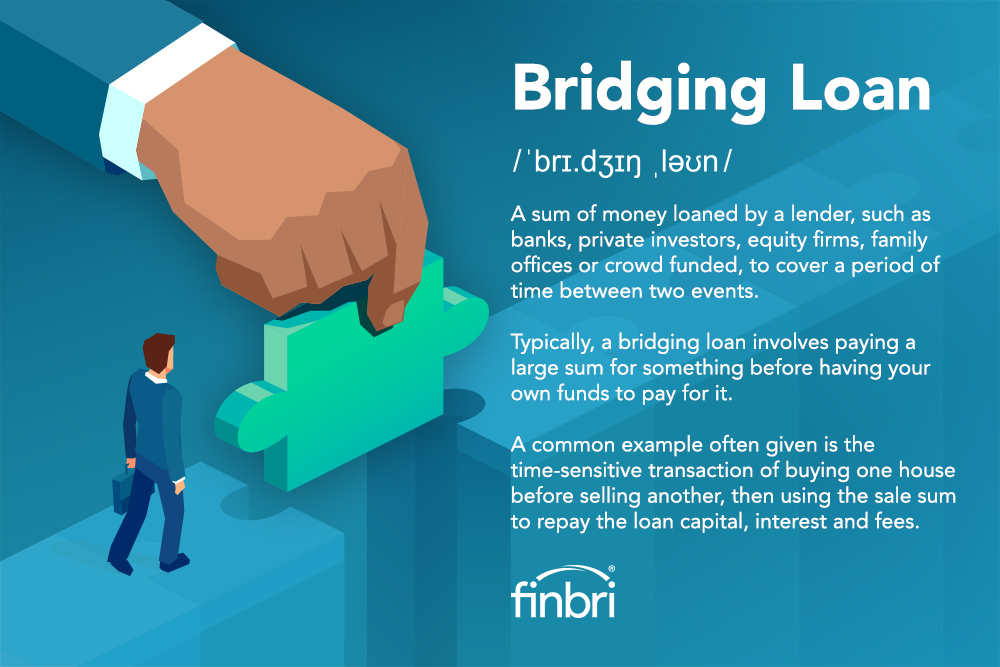
What's a Bridging Loan?
Let's start with the basics. A bridge loan is a type of short-term finance that's typically borrowed in order to bridge a gap in someone’s financing - hence its name.
Whilst a bridge loan can be used for almost any purpose, most people use it to purchase a main residence or to purchase an investment property.
And whilst it can be secured against different types of assets, a bridging loan is typically secured against one or more properties.
Understanding Bridge Loans
Real estate investors must equip themselves with the right resources to succeed, such as bridge loans, also known as a bridging loan or swing loan. This type of financing plays an integral role in facilitating property transactions and helping investors cover expenses while securing longer-term funding.
The Basics of Bridge Loans
A bridge loan, simply put, bridges the gap between when you need funds and when longer-term financing becomes available. It provides short-term working capital so that businesses can meet current obligations such as inventory costs or cash flow needs during transitional periods.
For example, if you are buying another house before selling your existing one, this form of lending could offer convenience by providing quick access to funds without needing contingency-free offers from buyers.
But here’s something surprising - did you know that bridge loans in Florida don't hinge on FICO scores? Instead, they focus on the underlying value of real estate properties involved.
Faster Approval with Bridging Loans
Bridging loans come with faster application processes compared to traditional loans since lenders mainly consider asset values rather than credit histories. That means even if your credit score isn’t top-notch but has an excellent potential property up for collateral – congratulations. You’re still eligible for this financial instrument.
In fact, there's no minimum FICO score requirement for approval in Florida; quite unusual yet practical given how volatile market conditions can get sometimes.
Key Takeaway
Looking to invest in real estate? Bridge loans can be your secret weapon. They give you quick access to funds and don't focus on FICO scores, just the property's value. Say goodbye to slow traditional loan processes and hello to faster deal-making in Florida.
Financing Real Estate Investments in Florida
Florida, a real estate haven, offers diverse investment opportunities. Whether you're eyeing rental property or commercial property, securing the right financing is crucial.
The first thing to know? Not all loans are equivalent. While traditional loans might be more familiar territory for some investors, bridge loans offer distinct advantages.
A bridge loan, as its name suggests, serves as a temporary bridge between your current obligations and long-term financing. It provides working capital that can cover expenses like renovations or closing costs on your new property while you sell the original one.
You don't need excellent credit to get a bridge loan - it's more about the value of your assets than FICO scores here in Florida. But why should an investor consider this over other options?
SBA Loan: The Traditional Route
If you have strong credit and time isn’t of essence, going with something like an SBA loan could make sense. They typically have lower interest rates but approval takes longer and paperwork can be extensive.
The Bridge Loan Advantage
Bridging finance comes into play when speed is paramount; say you’ve spotted a hot piece of real estate that won't stay on market for long – bridging finance gets funds in hand quickly so that deal doesn’t slip away.
Faster Approval And More Convenient Access To Capital
- Funds from these short-term loans become available within days rather than weeks.
- This means no waiting around during critical moments when cash flow needs to meet current obligations.
- They offer real estate investors a faster application and approval process, which can be especially helpful in competitive markets like Florida.
Flexible Terms And Acceptance Of Additional Collateral
In the Sunshine State, bridge loans typically last one year but can extend up to three. If you need more funds, second liens can be accepted as additional collateral. This allows you to increase your advance rate against the property - quite an advantage for seasoned investors.
is to navigate this complex world successfully. That's where knowledge and strategy come into play, paving the way for sound financial decisions.
Key Takeaway:
Florida's real estate market is a goldmine, but you gotta be quick. A bridge loan helps you snap up top-notch property deals without the wait of regular loans. It dishes out speedy cash for stuff like sprucing up or closing while offloading your first property. And hey, it's more interested in your assets than how good your credit score looks. These short-term loans? They're just a few clicks away.
Why Use a Bridge Loan
If you're an investor in Florida looking to acquire properties, one option might be a bridge loan. But why use this type of financing? Let's take a look.
Bridge loans offer real estate investors the ability to cover expenses and meet current obligations during property transactions. This provides short-term working capital, allowing them to seize opportunities without waiting for traditional long-term financing options. In essence, they help bridge the gap between buying and selling properties, hence their name.
This speed of approval gives you more than just financial flexibility; it also provides competitive advantages when bidding on hot market properties where timing can be everything.
The Benefits: Quick Access and Flexibility
One key advantage is that bridge loans typically have faster application processes compared with other types of loans like conventional mortgages or home equity lines of credit (HELOC). The reason being these lenders are less concerned about your FICO score but rather the value of your original property serving as collateral."It’s not unusual for our clients to get funding within days," emphasizing how this could provide convenient access to funds needed urgently by investors.
Raising Your Credit Score?
A lesser-known benefit involves potential credit improvement. If used wisely – meaning repaid promptly after securing longer-term financing - borrowers may see improvements in their FICO scores over time due largely because they've demonstrated responsible debt management skills through timely repayments."In some cases, we’ve seen customers improve their credit scores by up 30 points." These higher scores then allow future borrowing at potentially lower interest rates, a real win-win situation.
So why use a bridge loan? Because it gives you the power to act quickly on investment opportunities and may even help improve your credit. But like any financial tool, they're not for everyone or every situation. It's essential to understand all facets of these loans before diving in.
Key Takeaway:
Bridge loans let you fast-track real estate investments by offering quick access to funds and the flexibility to act swiftly in hot markets. This speed isn't just about convenience—it's a competitive edge. Plus, timely repayment can even give your credit score a boost. But remember, it's important to fully understand these loans before diving into them.
How Bridge Loans Work
If you've ever been in a tight spot, needing to close on a new property before selling your current one, then you're already familiar with the kind of predicament bridge loans are designed to solve. They provide short-term financing that bridges the gap between the sale of your original property and securing longer-term financing.
A bridge loan, or swing loan as it's sometimes called, is secured by your existing home. It allows for convenient access to cash flow while waiting for either permanent financing or the sale of your current property. The terms typically extend up to 12 months but can be structured around individual needs.
The Funding Process of Bridge Loans
In essence, bridge loans work like an advance on your home equity; they're based more on real estate value than traditional credit metrics. You don't need excellent credit; instead lenders focus primarily on whether there's sufficient equity in the original property used as collateral.
Upon approval—which often happens faster due to less paperwork compared with traditional loans—the funds from this type of loan can meet immediate obligations such as covering expenses related to purchasing a new house (like down payment) or even renovating an investment asset before flipping it back onto market.
This doesn't mean bridge loans aren't without risks though: interest rates are usually higher given their shorter repayment terms and quick accessibility. Fact: A borrower seeking interim financing might pay above-average interest rates ranging from about 8% -16%. That said if managed properly these costs could potentially be offset by profits made when selling at premium prices post-renovation.
Bridging finance offers flexibility but isn’t always necessary nor ideal for everyone – alternatives exist depending upon individual circumstances & financial health. For instance, home equity loans can serve as a less costly alternative in certain situations.
Bridge loans might be the right option for some investors, but there are other solutions available to help manage their real estate investments. They represent just one tool among many that savvy investors use to manage their real estate investments effectively.
Key Takeaway:
Bridge loans offer a fast and flexible way to secure short-term financing for real estate investments, bridging the gap between selling an old property and securing long-term funding. Despite higher interest rates, they can provide immediate cash flow when managed effectively. However, alternatives like home equity loans might be more cost-effective depending on individual circumstances.
Who Can Apply for a Bridge Loan
If you're considering property investment, it's crucial to know who can apply for a bridge loan. A key factor is your credit history; lenders want assurance that you'll repay the funds.
Home equity lines of credit (HELOC) and 80-10-10 loans are popular alternatives to bridge loans, but they also require strong financial health. Your credit score plays an essential role in determining eligibility.
In most cases, individuals with excellent or even just strong credit have better chances of securing these types of financing options. That said, each lender has its own set criteria when evaluating potential borrowers' applications.
The Role of Credit History
Your credit history, which includes payment timeliness on previous debts and how much debt you currently hold compared to your income level—often called your "debt-to-income ratio"—can significantly impact whether or not you qualify for a bridge loan.
A record showing consistent timely payments builds trust with lenders. They will see this as evidence that if granted the loan, there’s less risk involved because they believe based on past behavior that repayment won't be an issue.
Credit Score Considerations
An excellent credit score, typically anything above 700 according to major scoring models like FICO and VantageScore—is another vital component in getting approved for any kind of lending product including bridge loans.
You should note though: While high scores increase approval odds substantially—it doesn’t automatically guarantee success because other factors come into play too such as income stability over time among others.
Evaluating Other Options
If your credit score isn't up to snuff for a bridge loan, contemplate other options. As mentioned earlier, options like HELOC and 80-10-10 loans can provide similar financial relief.
In conclusion, if you have a good track record of managing debt responsibly—indicated by an excellent or strong credit score—and the income necessary to manage additional monthly payments; then yes—you're likely eligible for applying.
Key Takeaway:
Looking to invest in property and considering a bridge loan? Your credit history matters. With strong or excellent credit, you're likely to get the green light. Remember, lenders trust borrowers who manage their debt responsibly. But if your score's not quite there yet, don't worry - alternatives like HELOCs and 80-10-10 loans can still help.
Advantages of Bridge Loans
Bridge loans can be a great asset to real estate investors, providing expedited access to capital. These unique types of loans offer faster approval and application processes, which means you get the money when you need it.
The Speed and Convenience of Bridge Loans
The fast pace at which bridge loans are processed is one significant advantage. You don't have to wait long periods as with traditional loan systems, making them ideal if you need cash flow quickly.
This convenience extends beyond just speedy access to funds. For instance, bridge loans typically provide working capital that allows investors to meet current obligations or cover unexpected expenses without breaking a sweat.
Moreover, unlike some traditional loans where lenders focus heavily on credit history and financial stability, many bridge loan providers put more emphasis on the underlying asset value rather than an excellent credit score alone. This provides convenient access to financing for individuals who might struggle with securing funds through conventional methods due to less-than-perfect credit scores or irregular income patterns often associated with real estate investment activities.
Faster Approval Process
Besides their speed and convenience factor, another notable benefit is the easier qualification process compared to traditional banks' stringent criteria—making these short-term funding solutions attractive options for those seeking gap financing in competitive markets like Florida's hot property scene.
A borrower could receive funding within days instead of weeks thanks in part because these lenders usually charge higher interest rates (typically higher) since they take on more risk than regular mortgage lenders—but this trade-off can be well worth it if time is critical for your deal's success.
Disadvantages of Bridge Loans
Bridge loans, like any financial tool, have their downsides. While they can be a lifeline in the choppy waters of real estate investment, it's crucial to navigate with caution.
The High Cost Factor
Bridging loans tend to charge higher interest rates compared to traditional loans. Lenders deem bridging loans more hazardous due to their brief duration and the absence of long-term financing options, resulting in higher interest rates than standard loans. They're essentially gap financing tools that you pay a premium for.
Short-term loans often include expenses such as origination fees and closing costs that can add up rapidly.
Cash Flow Constraints
Another disadvantage is the potential strain on cash flow. If there are unexpected delays in selling the original property or securing permanent financing, this might leave you juggling payments for both your current mortgage and bridge loan at once – not an ideal situation.
Finding The Right Lender Can Be Tough
Finding a lender who offers real estate bridge loans isn't always easy either. Many traditional banks shy away from offering such products because they're viewed as risky business propositions; hard money lenders may step into fill this void but remember - they often seek bridge loan opportunities precisely because it allows them to demand higher interest rates.
80-10-10 Loan, another form of gap finance solution offers contingency-free terms without high inventory costs associated with bridging.
Risk Of Overleveraging
A significant pitfall investors should be aware of when considering these types of short term solutions is over-leveraging themselves financially if things don’t go according plan — especially if one's credit history isn't stellar. It's important to be honest about your ability to meet current obligations before diving in.
Remember, bridge loans provide short-term liquidity but aren't a long-term solution for systemic cash flow problems. They're a tool best used by those with strong credit and the financial stability to handle unexpected bumps along the way.
The Final Takeaway
While bridge loans can offer a lifeline during gaps in financing, it's important to weigh the pros and cons. These loans are typically employed by those awaiting the arrival of their permanent funding. However, they do come with higher interest rates than more traditional lending options.
Key Takeaway:
Bridge loans can be a quick fix in real estate investment, but they're not without their pitfalls. They carry higher interest rates and upfront costs which could hit your balance sheet hard. Cash flow issues may arise if you end up juggling payments for both your mortgage and bridge loan due to unforeseen delays. Also, finding the right lender isn't always as straightforward as it seems because traditional options might not fit the bill.
FAQs in Relation to Bridge Loan
What does it mean to bridge a loan?
A bridge loan is a short-term financing option used by real estate investors. It helps cover the gap between buying a new property and selling an old one.
What are the risks of a bridge loan?
The risks include higher interest rates, upfront fees, and if you fail to sell your original property in time, you could be stuck with two mortgages.
Why would someone get a bridge loan?
People use bridge loans for fast funding on properties without waiting for existing ones to sell. They're great when speed matters more than cost.
Are bridge loans hard to get?
Bridge loans aren't necessarily hard to secure but they'll require a good 20% or more of equity in your current home or investment property.
We're experienced financial experts who arrange short term bridge loans for real estate investors, securing you the best deal from over 200 bridging loan providers including private investors and family offices.
Get expert assistance today, we're on hand to answer any questions about bridge loans.